
A Reappraisal of Norio Imai’s White
2026. 7. 11 [sat] - 8.29 [sat]11:00−18:00 | Saturdays -17:00, Due to the traffic restrictions for the Tenjin Festival, the gallery will close at 15:00 on 7.25. | Closed on Sundays, Mondays, Holidays and 8.9 - 8.17.
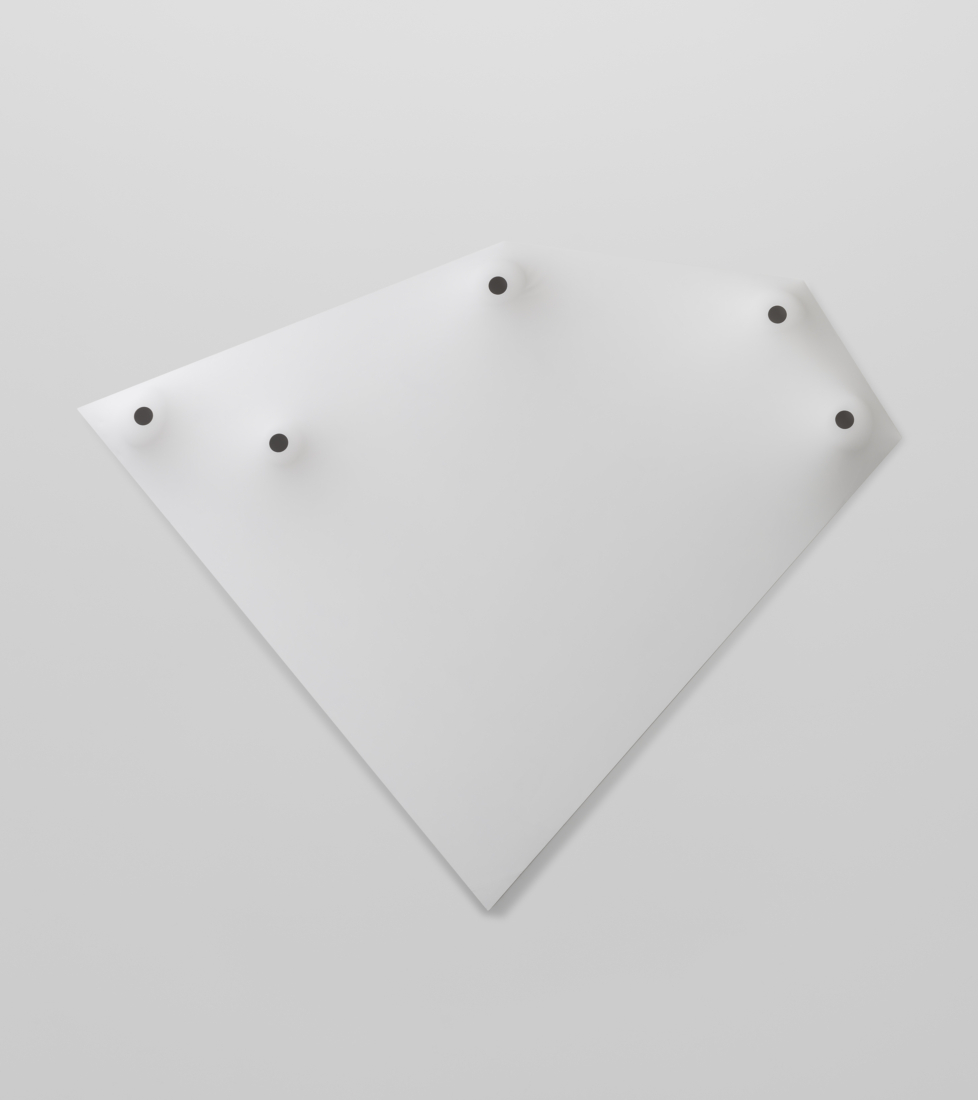
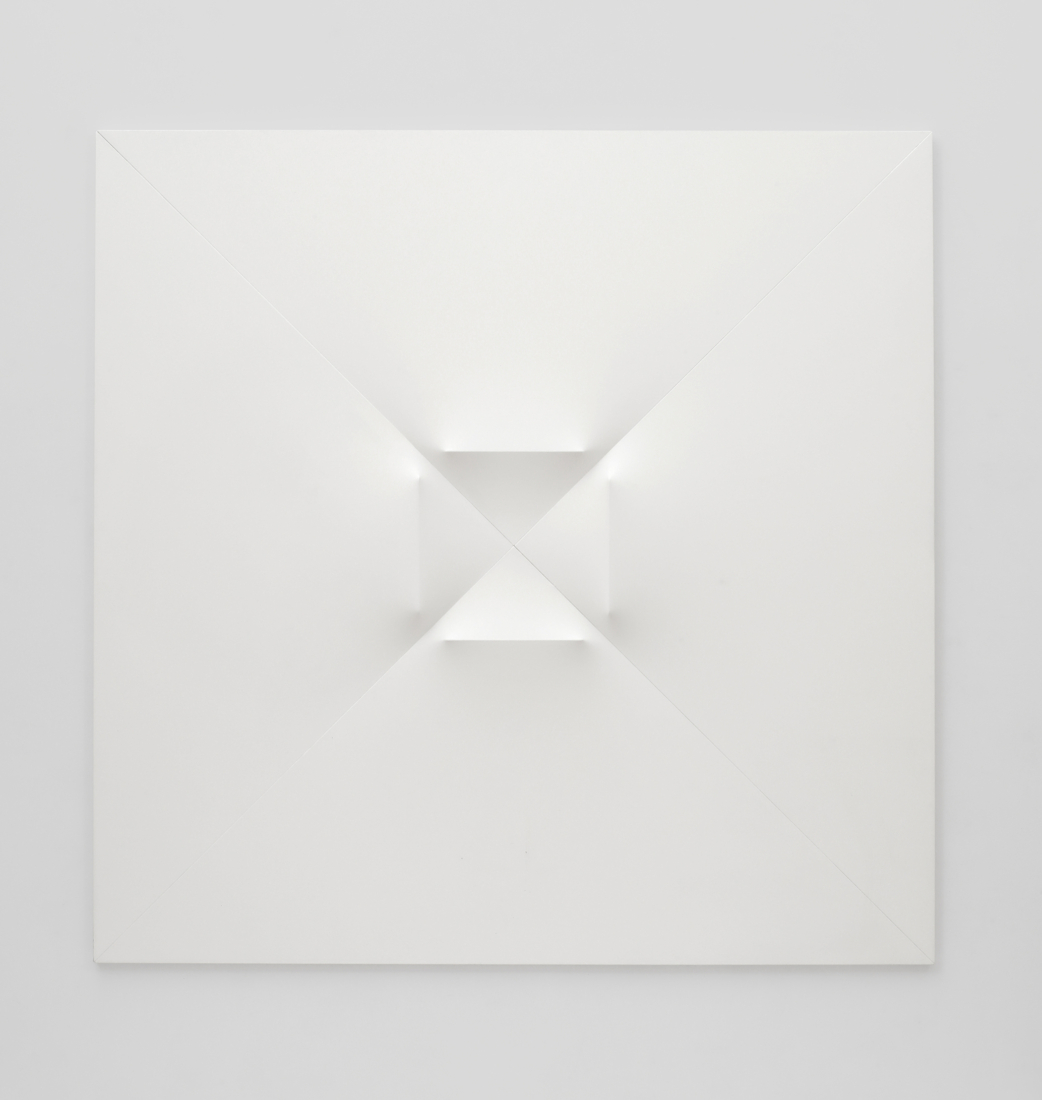
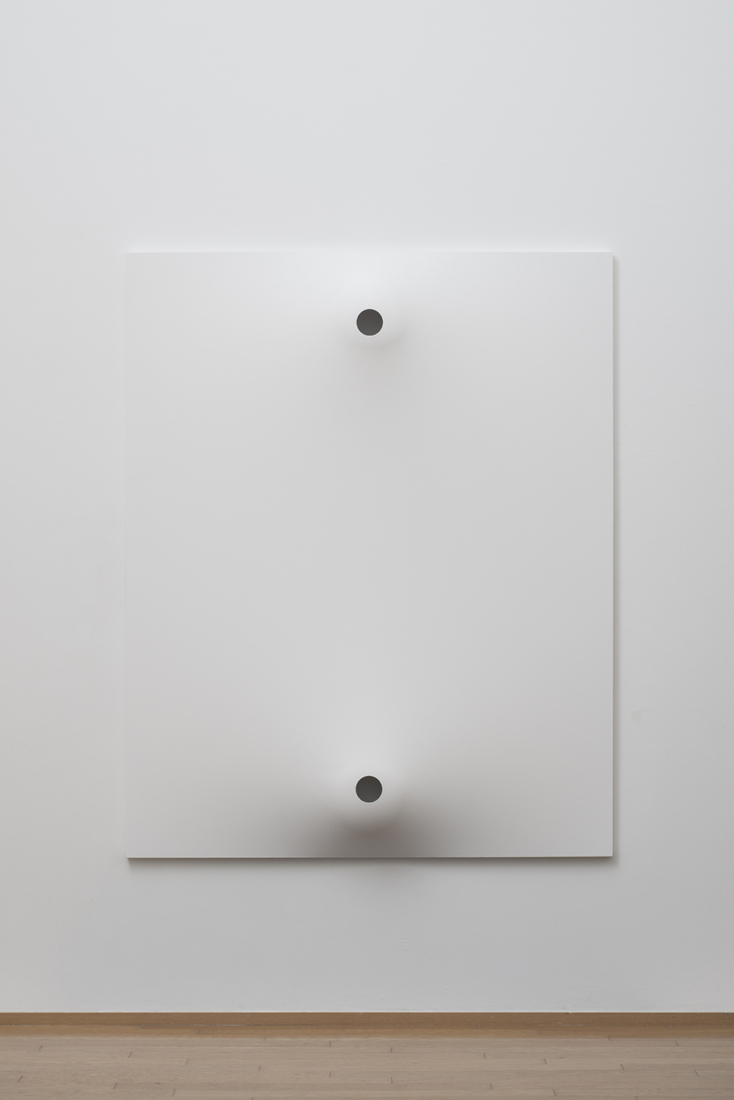
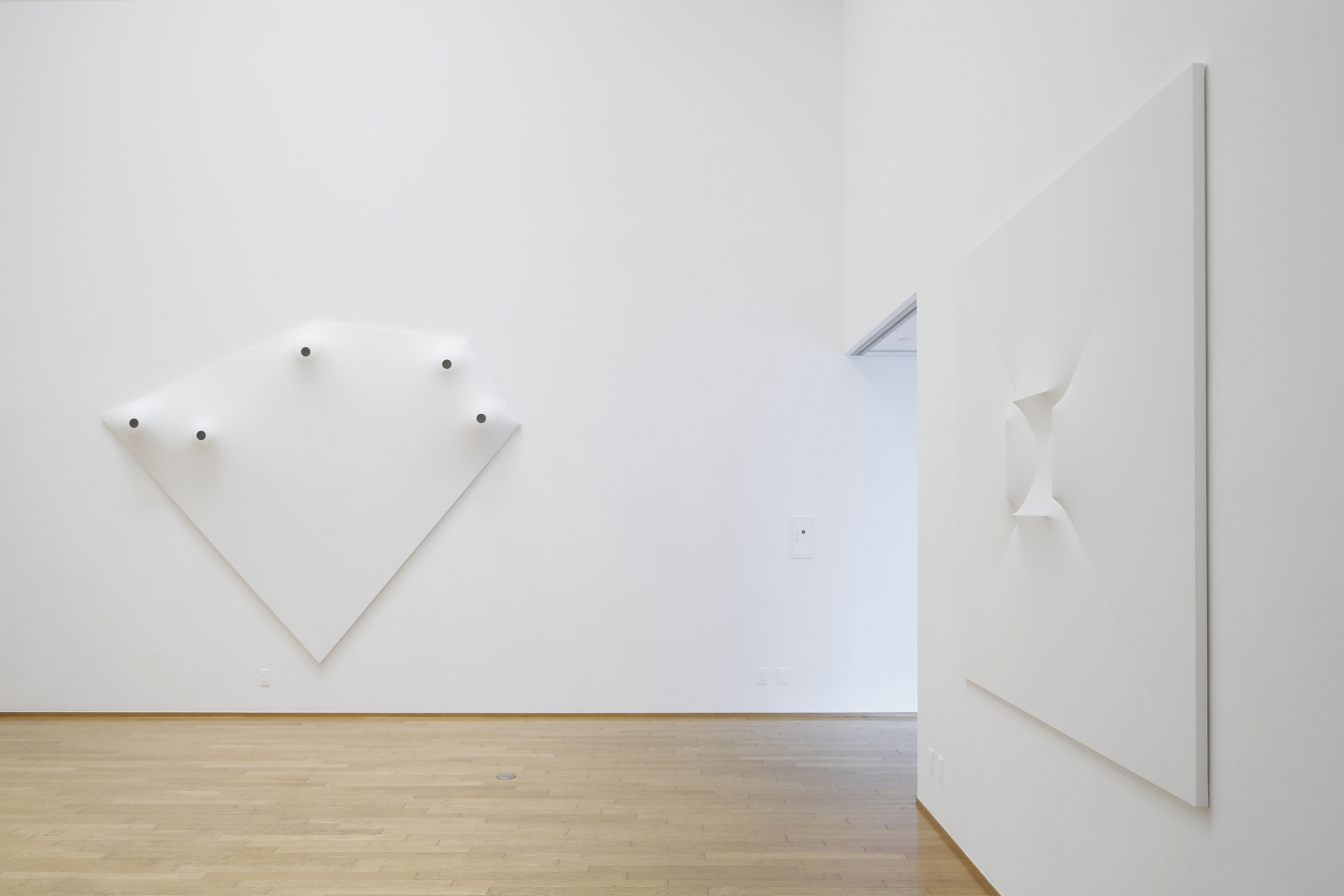
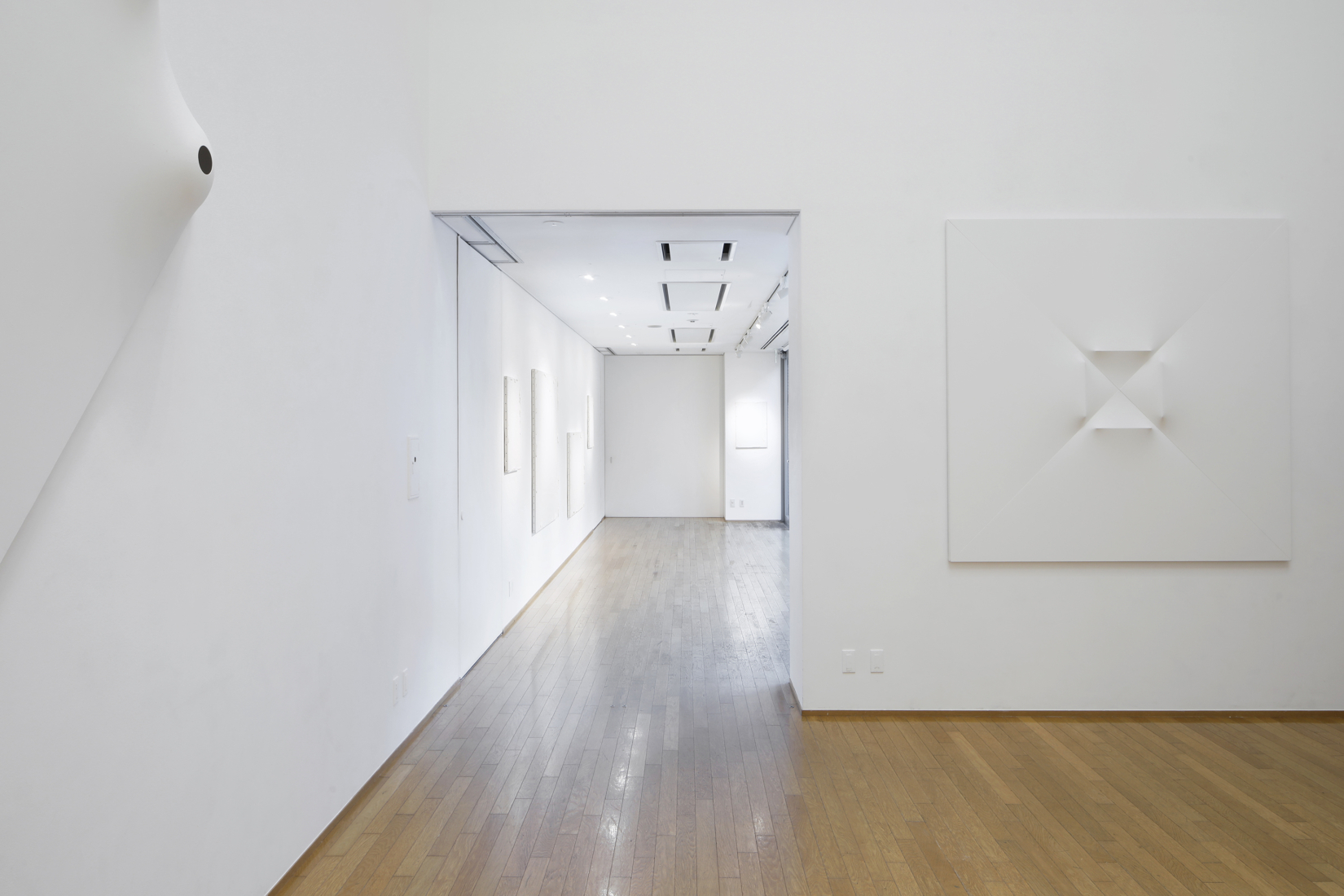
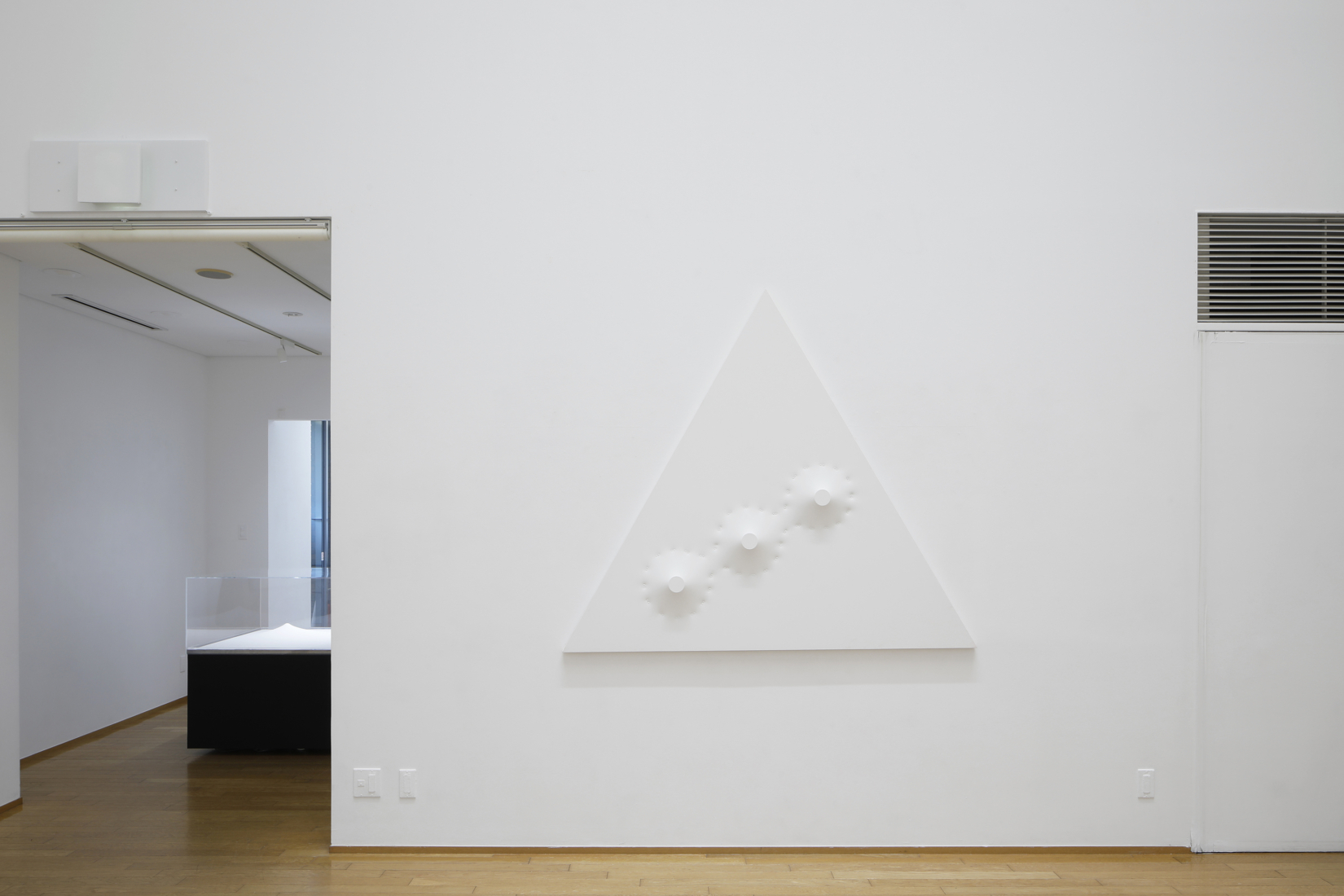
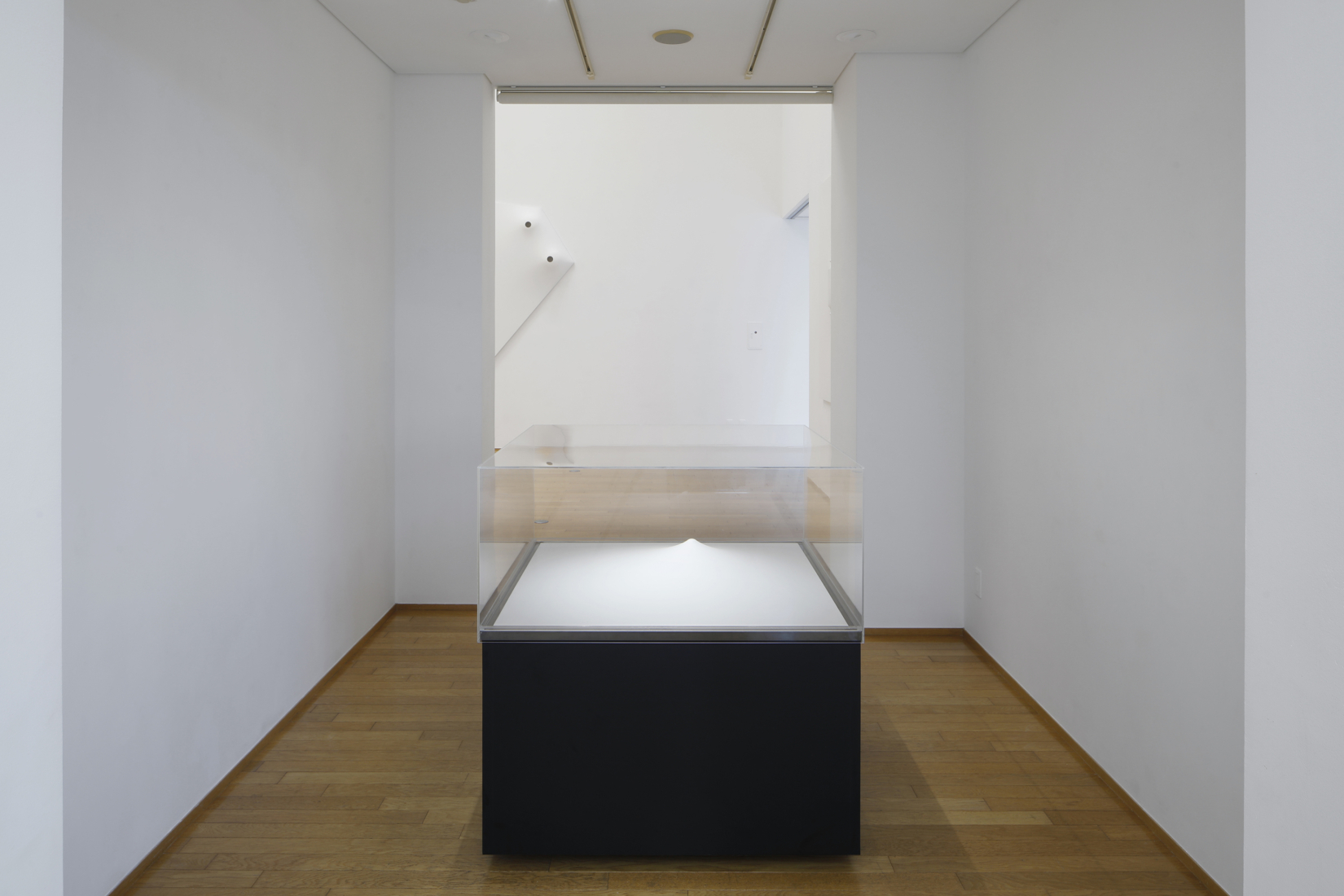
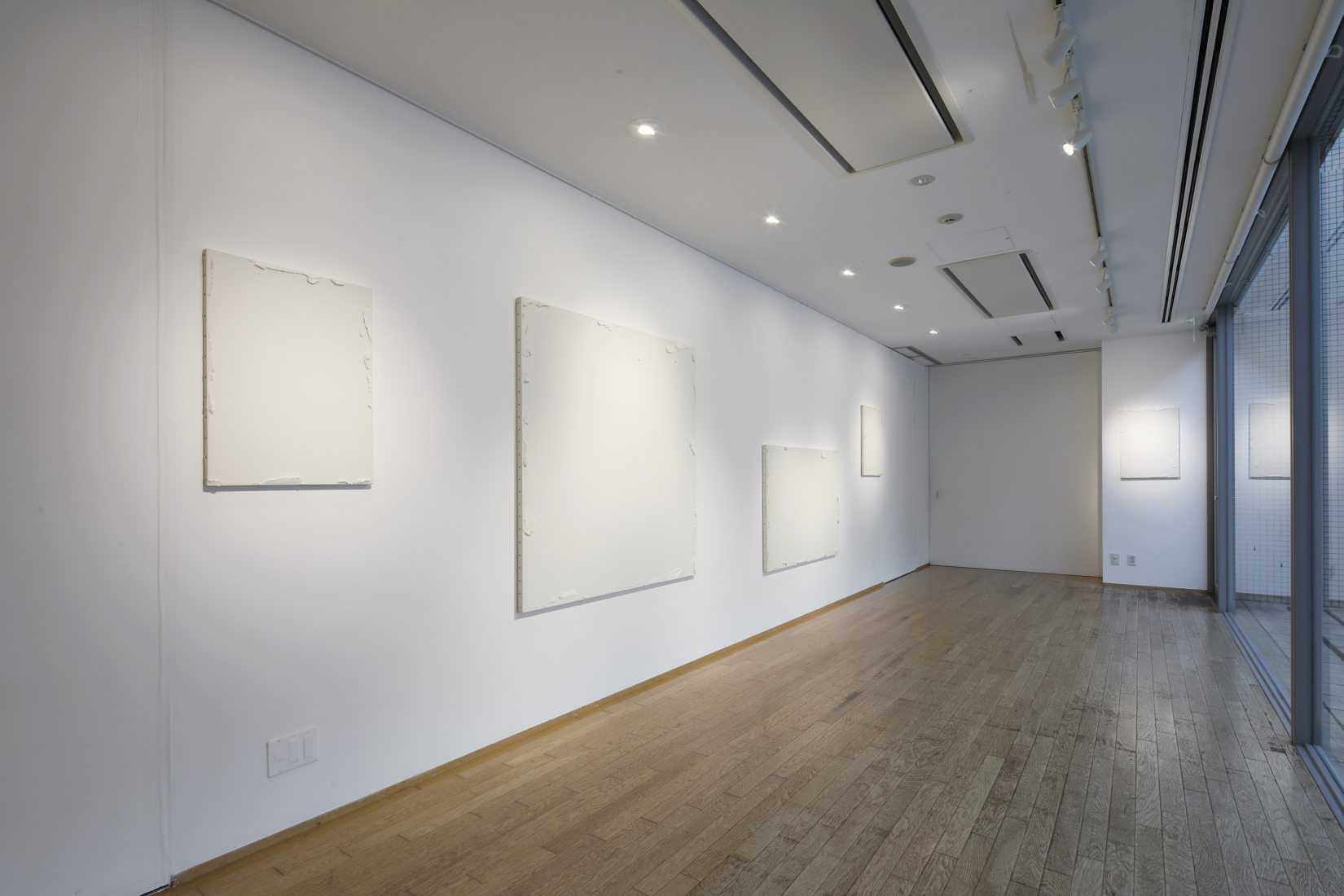
Norio Imai made his debut as an artist in 1964 with the solo exhibition Testimony of a 17-Year-Old. Between 1964 and 1966, he produced a succession of rectangular and irregularly shaped white relief works, which were exhibited not only in the Gutai Art Exhibitions(*1) but also in Indépendant exhibitions held throughout Japan at the time. The undulations that emerge from the simple forms beneath the smooth applications of white, together with the striking interplay of light and shadow evoked by the perforated holes, imbue the works with a remarkable intensity and the fresh vitality of an artist still in his teens.
Most of Imai’s works from this period have since made their way to Europe, the United States, and across Asia. This exhibition focuses on the small number of vintage works that remain in Japan, reproductions of works from the 1960s,(*2) later tsuiseisaku(*3) works that showcase the breadth of his subsequent practice, alongside the white works Imai continues to develop.
Since the late 1960s, Imai has incorporated a wide range of media into his practice, including photography, video, and sound, and continues to produce and present conceptual works. This exhibition reappraises the world of white at the origin of his long artistic career.
1. Norio Imai began regularly exhibiting in the Gutai Art Exhibition with the 14th exhibition in 1964. In 1965, at the age of nineteen, he became the youngest member of the Gutai Art Association, and in 1966, a solo exhibition of his work was held at the Gutai Pinacotheca.
2. Imai was around twenty years old when he created the original works in the 1960s. At the time, he maintained a vigorous pace of production, but the cost and availability of materials made it impossible to preserve everything he created. As a result, some exhibited works were unavoidably dismantled, and their materials reused in subsequent productions. For pieces that were dismantled after exhibition and no longer survive, Imai later reproduced them using photographs and production notes from the period, as well as surviving original materials in certain cases.
3. Imai describes tsuiseisaku (“follow-up production”) as follows:
These works may be understood either as developments connected to images or concepts left unrealized at the time, or as new versions produced in later years based on ideas drawn from earlier works. In the case of his Gutai outdoor works and Mono-ha site-specific installations, tsuiseisaku is closer to “reenactment” than to “reproduction.” Man Ray produced a number of works in multiple editions based on the same motif that differ somewhat in form yet may be understood as iterative tsuiseisaku in which the message of the work remains unchanged. Broadly speaking, tsuiseisaku may be understood as renewed pursuits of earlier modes of expression by the same artist.
Related events
- July 11 [Sat.] 2:00pm - 3:30pm
Talk [ Ayako Takahashi (Professor at Nagoya Zokei University) x Norio Imai ]
* RSVP required (email or phone), first 20 applicants - July 11 [Sat.] 3:30pm - 5:00pm
Reception